
Effective pain management is a cornerstone of quality nursing care, demanding advocacy and a multidisciplinary approach involving nurses, doctors, and pharmacists.
Nurses play a vital role in implementing evidence-based guidelines and ensuring consistent, thorough pain assessments for optimal patient outcomes.
Adopting pain management champions and utilizing standardized pain scales are crucial for smooth implementation of nursing service guidelines.
Defining Pain and its Significance
Pain, a subjective experience, significantly impacts a patient’s physical and psychological well-being, demanding comprehensive nursing attention. It’s defined not merely by physiological damage, but by individual perception and response.
Understanding this subjectivity is paramount; consistent pain assessment using standardized scales—tools for communication—is essential for effective management. Ignoring pain hinders recovery, increases anxiety, and diminishes quality of life.
Nurses, as patient advocates, must prioritize pain relief, adhering to institutional guidelines and evidence-based practices. Effective pain control facilitates participation in therapy and promotes overall healing, emphasizing its critical significance in holistic patient care.
Responsible opioid prescribing, amidst the ongoing crisis, requires careful monitoring and a multidisciplinary approach.
The Role of Nurses in Pain Assessment and Management
Nurses are central to effective pain assessment and management, acting as patient advocates and coordinators of care. Their responsibilities encompass comprehensive evaluation, utilizing pain scales and observing both subjective reports and objective signs.
Implementing nursing service guidelines and evidence-based practices is crucial, alongside collaboration with physicians and pharmacists for optimal pharmacological interventions.
Beyond medication administration, nurses educate patients on non-pharmacological techniques, championing opioid-sparing strategies and addressing barriers to effective pain control. Thorough documentation and evaluation of interventions are essential for continuous improvement.
They must remain familiar with standards and definitions regarding pain and its management.

Comprehensive Pain Assessment
A thorough pain assessment involves utilizing standardized scales, evaluating subjective and objective data, and considering unique patient factors for effective management.
Consistent communication and documentation are vital for tailoring nursing interventions and achieving optimal patient comfort.
Pain Scales and Assessment Tools
Accurate pain assessment relies heavily on employing validated tools, ensuring consistency in evaluating pain intensity across healthcare providers and patients; These tools range from numerical rating scales, where patients assign a number to their pain level, to visual analog scales, offering a continuous line for assessment.
Furthermore, the Faces Pain Scale – Revised is particularly useful for individuals with cognitive impairments or communication difficulties, providing a visual representation of pain expressions.
The selection of an appropriate scale depends on the patient’s age, cognitive status, and ability to communicate effectively.
Standardized tools facilitate objective data collection, aiding in the development of individualized nursing care plans and monitoring the effectiveness of interventions.
Subjective vs. Objective Pain Data
Pain assessment involves gathering both subjective and objective data to create a comprehensive understanding of the patient’s experience. Subjective data, reported directly by the patient, includes their description of the pain’s location, intensity, quality, and alleviating or aggravating factors.
This relies heavily on patient self-report using pain scales. Objective data, conversely, consists of observable signs such as vital signs, facial expressions, body posture, and physiological responses.
While subjective data is paramount, objective findings can corroborate the patient’s report, particularly when communication is challenging.
Integrating both types of data provides a holistic view, informing the development of effective nursing interventions and personalized care plans.
Pain Assessment in Special Populations (e;g., Elderly, Cognitive Impairment)
Assessing pain in elderly patients and those with cognitive impairment presents unique challenges. Traditional self-report methods may be unreliable due to age-related cognitive decline or communication difficulties.
Nurses must utilize specialized tools and observational skills, focusing on behavioral indicators like facial expressions, vocalizations, and changes in activity levels.
Non-verbal pain scales, designed for non-communicative individuals, become essential. Careful consideration of co-morbidities and potential drug interactions is also crucial in this population.
A collaborative approach involving family members or caregivers can provide valuable insights into the patient’s usual pain behaviors and preferences.

Developing a Nursing Care Plan for Pain
A comprehensive nursing care plan prioritizes individualized goals, incorporating pharmacological and non-pharmacological interventions for optimal pain relief and improved function.
Effective plans require consistent evaluation, documentation, and adjustments based on patient response, aligning with established pain management guidelines.
Setting Realistic Pain Management Goals
Establishing achievable pain management goals is paramount within the nursing care plan, moving beyond simply eliminating pain entirely. Goals should be collaboratively set with the patient, considering their individual experiences, functional status, and preferences.
Realistic objectives might focus on reducing pain intensity to a tolerable level, improving sleep quality, enhancing participation in activities, or minimizing the impact of pain on daily life.
These goals must be measurable, utilizing pain scales and functional assessments to track progress. Nurses should advocate for opioid-sparing strategies and prioritize a multidisciplinary approach, ensuring alignment with institutional guidelines and evidence-based practice.
Regular reassessment and adjustments are vital, acknowledging that pain experiences can fluctuate.
Individualized Pain Interventions
Tailoring pain interventions to the patient’s specific needs is central to effective nursing care. A comprehensive nursing care plan incorporates both pharmacological and non-pharmacological approaches, recognizing pain as a multifaceted experience.
Pharmacological options, including opioids and non-opioid analgesics, require careful consideration of dosage, route, and potential side effects, with diligent monitoring.
Complementary therapies like physical therapy, relaxation techniques, and cognitive behavioral therapy can significantly enhance pain relief and improve functional capacity. Nurses must advocate for a multidisciplinary team approach, adhering to established guidelines and prioritizing patient comfort.
Continuous evaluation and adaptation of interventions are essential.
Pharmacological Pain Management
Medication, including opioids and non-opioids, forms a critical component of pain control, demanding careful administration, monitoring, and adherence to prescribing guidelines.
Nurses must understand drug types, dosages, and potential adverse effects to ensure patient safety and optimize analgesic efficacy.
Adjuvant medications can also play a supportive role in comprehensive pain management strategies.
Opioid Medications: Types, Administration, and Monitoring
Opioid analgesics, ranging from morphine and fentanyl to codeine and oxycodone, are potent pain relievers requiring meticulous nursing care. Nurses must be proficient in various administration routes – oral, intravenous, intramuscular, and transdermal – understanding each method’s onset and duration.
Crucially, vigilant monitoring for respiratory depression, sedation, and constipation is paramount. Regular assessment of vital signs, including respiratory rate and oxygen saturation, is essential. Nurses also play a key role in educating patients about potential side effects and the importance of responsible opioid use.
Given the ongoing opioid crisis, responsible prescribing and careful documentation are vital, aligning with hospital guidelines and advocating for opioid-sparing strategies whenever possible.
Non-Opioid Analgesics: Uses and Considerations
Non-opioid analgesics, including acetaminophen and nonsteroidal anti-inflammatory drugs (NSAIDs) like ibuprofen and naproxen, offer valuable alternatives or adjuncts to opioid therapy for mild to moderate pain. Nurses must understand their mechanisms of action and appropriate indications.
Careful assessment of patient history is crucial, particularly regarding allergies, renal function, and gastrointestinal health, as NSAIDs can cause adverse effects. Monitoring for bleeding, ulcers, and renal impairment is essential. Nurses should educate patients about potential side effects and drug interactions.
These medications often form a core component of comprehensive pain management plans, aligning with evidence-based practice guidelines and promoting a multimodal approach to pain relief.
Adjuvant Medications for Pain Management
Adjuvant medications, initially developed for conditions other than pain, can significantly enhance pain control when used alongside analgesics. These include antidepressants, anticonvulsants, and corticosteroids, addressing neuropathic pain or inflammatory processes.
Nurses play a critical role in monitoring for side effects, as these medications often have complex pharmacological profiles. Careful assessment of renal and hepatic function is paramount, alongside monitoring for drug interactions;
Effective communication with the healthcare team and patient education regarding potential benefits and risks are essential components of responsible adjuvant medication management, supporting comprehensive pain guidelines.

Non-Pharmacological Pain Management Techniques
Integrating physical therapies, psychological interventions like relaxation, and complementary approaches empowers patients and reduces reliance on pharmacological interventions for pain relief.
Nurses facilitate these techniques, promoting holistic well-being and supporting individualized pain management plans aligned with established guidelines.
Physical Therapies for Pain Relief
Physical therapies represent a crucial component of comprehensive pain management, offering non-pharmacological approaches to alleviate discomfort and enhance functional abilities. Nurses collaborate with physical therapists to implement tailored interventions, including therapeutic exercises designed to strengthen muscles, improve range of motion, and reduce stiffness.
Modalities such as heat, cold, ultrasound, and transcutaneous electrical nerve stimulation (TENS) can also be employed to modulate pain signals and promote tissue healing. Careful assessment and monitoring are essential to ensure the safety and effectiveness of these therapies, adapting the plan based on patient response and tolerance.
Furthermore, educating patients on proper body mechanics and posture can empower them to self-manage their pain and prevent future exacerbations, aligning with evidence-based guidelines.
Psychological Interventions (e.g., Relaxation, Cognitive Behavioral Therapy)
Recognizing the biopsychosocial nature of pain, psychological interventions are integral to holistic pain management. Nurses facilitate access to techniques like relaxation therapy – including deep breathing exercises and guided imagery – to reduce muscle tension and anxiety, thereby diminishing pain perception.

Cognitive Behavioral Therapy (CBT) empowers patients to identify and modify negative thought patterns and behaviors that exacerbate pain. This approach fosters coping skills and promotes self-efficacy.
Effective implementation requires nurses to assess patients’ psychological status and collaborate with mental health professionals, ensuring interventions align with individual needs and evidence-based guidelines.
Complementary and Alternative Therapies
Complementary and alternative therapies (CATs) offer additional avenues for pain relief, often used alongside conventional treatments. Nurses should approach CATs with informed awareness, respecting patient preferences while ensuring safety and evidence-based practice.
Examples include acupuncture, massage therapy, and mindfulness practices. These modalities may reduce pain intensity, improve function, and enhance overall well-being. However, rigorous scientific evidence supporting their efficacy varies.
Nurses play a crucial role in educating patients about potential benefits and risks, facilitating access to qualified practitioners, and documenting responses to CATs within the comprehensive pain management plan.

Pain Management Guidelines and Protocols
Evidence-based practice dictates pain management, requiring nurses to adhere to hospital policies and standardized guidelines for optimal patient care.
These protocols ensure consistent, safe, and effective pain assessment and intervention strategies across the healthcare institution.
Evidence-Based Practice in Pain Management
Implementing evidence-based practice is paramount in modern pain management, shifting away from traditional approaches towards interventions supported by robust research findings.
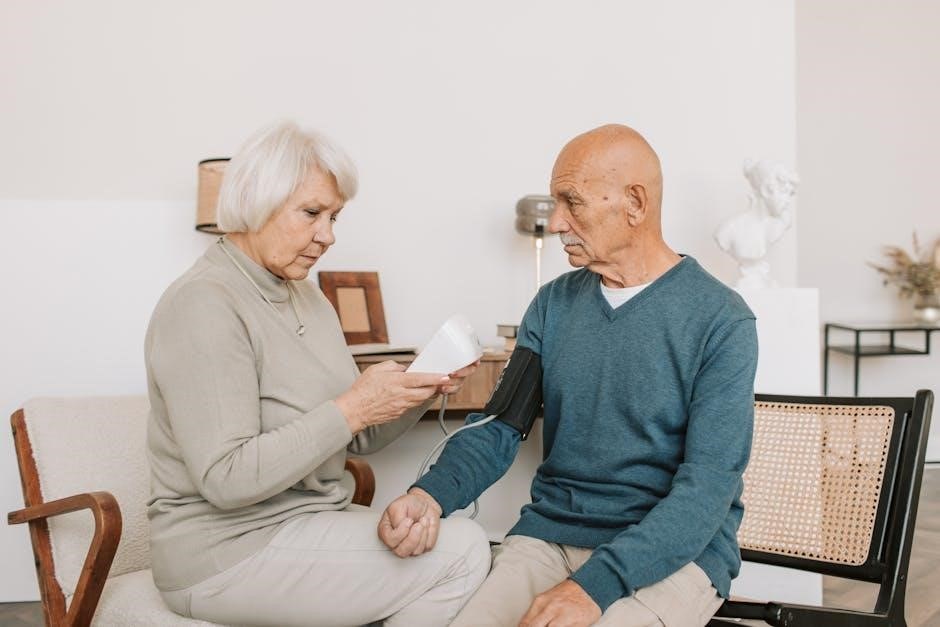
Nurses are central to this process, critically appraising studies and integrating best practices into individualized nursing care plans, ensuring optimal patient outcomes.
Utilizing standardized pain scales and assessment tools, as defined in guidelines, provides consistent data for evaluating intervention effectiveness.
Furthermore, adherence to institutional policies and protocols, alongside continuous professional development, reinforces a commitment to evidence-based pain control.
This approach fosters a culture of continuous improvement, leading to more effective and compassionate pain management strategies for all patients;
Hospital and Institutional Pain Management Policies
Robust hospital and institutional policies are foundational for consistent, high-quality pain management, providing a framework for nursing practice and interprofessional collaboration.
These policies typically outline procedures for pain assessment, medication administration (including opioid prescribing guidelines), and documentation requirements.
Adherence to these protocols ensures patient safety and minimizes risks associated with pain treatment, particularly concerning the ongoing opioid crisis.
Regular review and updates, informed by evidence-based practice and regulatory changes, are essential to maintain policy relevance and effectiveness.
Effective implementation requires comprehensive staff education and ongoing monitoring to ensure compliance and promote a culture of responsible pain care.

Documentation and Evaluation
Accurate and thorough pain documentation is critical for tracking patient responses to interventions and informing ongoing care adjustments.
Regular evaluation of pain management effectiveness, utilizing standardized tools, ensures interventions align with patient goals and optimize outcomes.
Consistent record-keeping supports continuity of care and facilitates communication among the healthcare team, enhancing patient safety.
Accurate and Thorough Pain Documentation
Comprehensive pain documentation serves as a vital component of patient care, providing a clear and concise record of the patient’s pain experience and response to interventions.
Nurses must meticulously document pain intensity using validated scales, alongside characteristics like location, quality, and aggravating/alleviating factors.
Detailed records should include the time of assessment, interventions administered – both pharmacological and non-pharmacological – and the patient’s subsequent pain level.
Documenting any adverse effects or unexpected outcomes is equally crucial, ensuring a complete and accurate portrayal of the patient’s pain journey.
This thorough documentation facilitates effective communication among healthcare professionals and supports informed decision-making regarding ongoing pain management.
Adherence to institutional guidelines and standards is paramount, ensuring consistency and legal defensibility of the documented information.
Evaluating the Effectiveness of Pain Interventions
Regularly evaluating the effectiveness of pain interventions is essential for optimizing patient comfort and achieving desired outcomes, demanding ongoing assessment and adjustment.
Nurses should consistently reassess pain levels following each intervention, utilizing the same validated pain scale to ensure comparable data and track progress.
Analyzing trends in pain scores helps determine if the current pain management plan is adequate or requires modification, guided by evidence-based practice.
Patient feedback regarding the effectiveness of interventions is invaluable, providing subjective insights into their experience and preferences.
Documenting the evaluation process, including any adjustments made to the nursing care plan, ensures continuity of care and informed decision-making.
Collaboration with the healthcare team is vital for a holistic evaluation and refinement of the pain management strategy.

Challenges in Pain Management
The opioid crisis necessitates responsible prescribing, while addressing barriers to adequate pain relief remains crucial for nurses and interprofessional teams.
Balancing effective pain control with minimizing opioid-related risks demands careful assessment, monitoring, and individualized pain management strategies.
Implementing evidence-based guidelines and advocating for patient access to comprehensive pain care are ongoing challenges in modern healthcare.
Opioid Crisis and Responsible Prescribing
The ongoing opioid crisis profoundly impacts pain management, demanding heightened vigilance and a shift towards responsible prescribing practices among healthcare professionals, including nurses.
Nurses are central to mitigating risks by meticulously assessing patients, advocating for non-opioid alternatives when appropriate, and closely monitoring for adverse effects.
Implementing evidence-based guidelines, utilizing pain scales, and promoting multimodal pain management strategies are essential components of this approach.
Education regarding opioid safety, proper disposal methods, and recognizing signs of misuse is vital for both patients and nursing staff.
Furthermore, fostering open communication and collaborative care with physicians and pharmacists is crucial for optimizing pain control while minimizing potential harm.
Addressing Barriers to Pain Management
Several barriers hinder effective pain management, including healthcare provider biases, patient fears regarding addiction, and systemic limitations within institutions.
Nurses must actively challenge misconceptions about pain and advocate for comprehensive assessments, recognizing that undertreatment disproportionately affects vulnerable populations.
Implementing standardized pain management guidelines, fostering interprofessional collaboration, and providing education can overcome these obstacles.
Addressing cultural beliefs and communication challenges is also crucial for tailoring pain interventions to individual patient needs.
Ultimately, a commitment to patient-centered care and a proactive approach to identifying and resolving barriers are essential for optimizing pain relief.

Resources for Nurses
Access peer-reviewed pain management journals and publications for current insights, alongside professional organizations offering continuing education opportunities for nurses.
Utilize available nursing service guidelines and evidence-based resources to enhance pain assessment and treatment protocols.
Stay informed about evolving pain management strategies and responsible opioid prescribing practices through dedicated educational programs.
Pain Management Journals and Publications
Numerous scholarly journals dedicate themselves to advancing the science and practice of pain management, offering invaluable resources for nurses seeking to refine their skills and stay abreast of the latest evidence.
Specifically, publications focusing on nursing often feature original research and review articles addressing effective pain assessment techniques, pharmacological and non-pharmacological interventions, and the implementation of pain management guidelines.
These resources frequently explore topics like opioid stewardship, multimodal analgesia, and the management of pain in vulnerable populations, such as the elderly or those with cognitive impairments. Accessing these journals provides nurses with the knowledge to develop and implement comprehensive nursing care plans, ensuring optimal patient comfort and well-being.
Furthermore, they contribute to a deeper understanding of the challenges and complexities inherent in pain management, fostering a culture of continuous improvement within healthcare settings.
Professional Organizations and Continuing Education
Several professional organizations actively support nurses specializing in pain management, offering valuable resources, networking opportunities, and continuing education programs. These organizations often champion evidence-based practice and advocate for improved pain care standards.
Continuing education courses, workshops, and conferences provide nurses with the latest updates on pharmacological interventions, non-pharmacological techniques, and the implementation of pain management guidelines;
These programs frequently cover topics such as opioid prescribing best practices, multimodal analgesia, and the assessment and management of pain in diverse patient populations, enhancing their ability to create effective nursing care plans.
Participation in these activities ensures nurses maintain competency and contribute to the advancement of pain management within their institutions.