
Early childhood centers, like Hamilton Heights and Magic Memories, demonstrate a commitment to structured environments. Consistent routines are foundational, preparing children for future academic success and life skills.
What are Routines in Early Childhood?
Routines in early childhood are not simply schedules; they are predictable, recurring sequences of activities that provide a sense of order and security for young children. These encompass daily events like mealtimes, playtime, naptime, and transitions between activities. Centers such as Hamilton Heights and Magic Memories actively prioritize these consistent structures.
Effective routines aren’t rigid, but offer a framework within which children can explore and learn. They help children understand expectations, fostering self-regulation and reducing anxiety. As families navigate educational transitions, highlighted by the recent Grade Six Assessment results, understanding the value of early routines becomes even more crucial. They lay the groundwork for future learning habits and adaptability, preparing children for the demands of school and beyond.
Why Routines Matter: A Developmental Perspective
From a developmental standpoint, routines profoundly impact a child’s emotional, cognitive, and social growth. Predictability reduces stress hormones, allowing the brain to focus on learning and exploration. Centers like Hamilton Heights and Magic Memories recognize this, building routines into their core philosophy.
Consistent routines support the development of self-regulation skills, crucial for managing emotions and behaviors. They also foster a sense of competence as children master predictable sequences. Considering the impact of environmental factors – like heatwaves in Vizag emphasizing physiological needs – routines ensure basic needs are met consistently. This foundational security allows children to thrive, preparing them for the academic challenges ahead, as seen with Grade Six Assessment transitions, and building lifelong healthy habits.

The Benefits of Routines for Young Children
Routines cultivate emotional security, cognitive skills, and social-emotional growth, fostering independence and preparing children for school, mirroring approaches at centers like Hamilton Heights.
Emotional Security and Regulation
Predictable routines provide a comforting sense of safety and security for young children. Knowing what to expect reduces anxiety and allows them to navigate their environment with greater confidence. This consistent structure helps regulate emotions, as children aren’t constantly reacting to the unexpected.
When daily activities follow a familiar pattern, children develop a sense of control, which is crucial for emotional wellbeing. This predictability minimizes stress and fosters a feeling of stability. Early learning centers, such as those highlighted, prioritize this aspect, recognizing its impact on a child’s ability to learn and interact positively with others. A secure emotional foundation, built through routines, is essential for healthy development.
Cognitive Development and Learning
Routines aren’t simply about predictability; they actively support cognitive growth. When basic needs are met through established routines, children have more mental energy available for learning and exploration. Structured environments, like those emphasized by Hamilton Heights and Magic Memories, free children from the cognitive load of uncertainty.
Consistent routines help children develop sequencing skills, understand cause and effect, and build problem-solving abilities. They learn to anticipate what comes next, fostering a sense of order and organization. This cognitive scaffolding prepares them for the demands of formal schooling and supports future learning habits, as noted in discussions surrounding Grade Six Assessment preparation. A well-structured day maximizes opportunities for cognitive engagement.
Social-Emotional Skill Building
Predictable routines create a secure base from which children can explore their social-emotional landscape. Knowing what to expect reduces anxiety and allows children to focus on interacting with peers and adults. Centers prioritizing routines, such as Hamilton Heights and Magic Memories, foster environments where children feel safe enough to practice crucial social skills.
Routines provide opportunities to learn about sharing, turn-taking, and cooperation during activities like mealtime or playtime. They also help children develop self-regulation skills by learning to manage transitions and follow expectations. This emotional security is vital, especially as families navigate educational transitions, like preparing for assessments. Consistent routines build resilience and emotional intelligence, essential for navigating life’s challenges.
Promoting Independence and Self-Help Skills
Well-established routines empower young children to take ownership of their actions and develop essential self-help skills. Consistent morning or bedtime routines, for example, encourage children to participate in tasks like dressing themselves or tidying up. This participation fosters a sense of competence and builds confidence.
Early learning settings, like those emphasizing structured learning environments, utilize routines to teach children responsibility. Knowing the sequence of events allows children to anticipate what’s expected of them, reducing reliance on adult prompting. This is particularly important as children prepare for school and future learning. By mastering self-help skills within a predictable framework, children gain independence and a strong foundation for lifelong learning, even amidst broader life changes.

Creating Effective Routines
Establishing routines requires thoughtful adaptation to each child’s developmental stage, ensuring age-appropriateness and maximizing benefits within learning environments and daily life.
Age-Appropriate Routines: Adapting to Developmental Stages
Routines aren’t one-size-fits-all; they must evolve alongside a child’s growing capabilities. Infants require highly predictable schedules centered around feeding and sleep, providing a sense of security. Toddlers benefit from routines that offer choices within boundaries, fostering emerging independence. Preschoolers can handle more complex routines with increased participation, building self-help skills.
As children mature, routines should reflect their expanding cognitive and emotional understanding. Consider a child’s ability to anticipate steps, follow directions, and manage transitions. A rigid routine for a child not yet developmentally ready can lead to frustration, while a routine lacking structure can create anxiety. PDF resources often detail specific routine examples categorized by age, offering practical guidance for educators and parents. Adapting routines ensures they remain supportive and beneficial throughout early childhood.
Visual Schedules: Making Routines Understandable
For young children, especially those with communication challenges, visual schedules are invaluable tools. These schedules, utilizing pictures or symbols, represent the sequence of daily activities, offering a concrete representation of what to expect. This predictability reduces anxiety and promotes independence by allowing children to anticipate transitions and understand expectations.
PDF guides on early childhood routines frequently emphasize the benefits of visual supports. Schedules can range from simple picture cards to more elaborate boards. They empower children to take ownership of their day and minimize behavioral challenges stemming from uncertainty. Consistent use of visual schedules, coupled with verbal explanations, reinforces understanding and supports successful routine implementation. They are particularly helpful during times of change or when introducing new activities.
Consistency is Key: Minimizing Disruptions
Establishing consistent routines is paramount in early childhood development. Predictability fosters a sense of security and allows children to thrive. PDF resources dedicated to early learning consistently highlight the detrimental effects of frequent disruptions to established routines. These disruptions can lead to increased anxiety, behavioral challenges, and difficulty with self-regulation.
Maintaining a consistent schedule – for mealtimes, naptime, playtime, and transitions – provides a stable framework for learning and growth. While flexibility is important (addressed elsewhere), the core structure should remain reliable. Educators and caregivers should strive to adhere to routines as closely as possible, even amidst unforeseen circumstances. This consistency builds trust and supports children’s emotional wellbeing, ultimately enhancing their learning experience.
Flexibility Within Structure: Handling Unexpected Events
While consistency is crucial, rigid adherence to routines can be counterproductive. PDF guides on early childhood development emphasize the importance of flexibility. Life inevitably presents unexpected events – a sick child, a change in weather, or a spontaneous learning opportunity. The key lies in navigating these disruptions within the established framework.
Instead of abandoning the routine entirely, adapt it. A shortened playtime due to rain can be followed by an indoor activity that still fulfills the need for engagement. Communicate changes clearly and calmly to children, explaining why the routine is being adjusted. This teaches adaptability and problem-solving skills. Maintaining the overall structure, even with modifications, provides a sense of security during times of change.

Specific Routine Examples
PDF resources highlight routines like morning, mealtime, playtime, naptime, and bedtime. These examples foster healthy habits, engagement, wellbeing, and prepare children for rest.
Morning Routines: Starting the Day Right
A well-structured morning routine, often detailed in early childhood development PDFs, sets a positive tone for the entire day. These routines typically include waking up, getting dressed, hygiene practices like brushing teeth, and a nutritious breakfast. Consistency in these steps minimizes morning stress for both children and caregivers.
PDF guides emphasize that predictable morning routines help children develop a sense of control and independence. Knowing what to expect reduces anxiety and promotes emotional regulation. Furthermore, incorporating simple tasks into the routine, such as choosing clothes or helping set the table, fosters self-help skills. A calm and organized start prepares children to engage more effectively in learning activities and social interactions throughout the day, mirroring the structured environments prioritized by centers like Hamilton Heights.
Mealtime Routines: Fostering Healthy Habits
Mealtime routines, frequently outlined in early childhood PDFs, are crucial for establishing healthy eating habits and positive associations with food. These routines encompass setting the table, washing hands, sitting appropriately, and engaging in polite conversation. Consistent mealtimes signal the body’s hunger cues and promote mindful eating, rather than rushed consumption.
PDF resources highlight that structured mealtimes offer opportunities for social-emotional development. Children learn to share, take turns, and practice communication skills. Educators at centers like Magic Memories understand the importance of consistent daily structure, extending to mealtime. Establishing clear expectations – like staying seated and using utensils – fosters self-discipline. Furthermore, involving children in age-appropriate meal preparation can encourage them to try new foods and appreciate the value of nutrition.
Playtime Routines: Encouraging Engagement and Creativity
Playtime routines, often detailed in early childhood development PDFs, aren’t simply about free play; they’re about structured opportunities for exploration and learning. Establishing routines around playtime – such as designated areas for different activities, clear start and end signals, and expectations for cleanup – maximizes engagement. These routines help children transition smoothly between play scenarios and foster independence.
PDF guides emphasize that predictable playtime routines reduce anxiety and encourage creativity. Knowing what to expect allows children to focus on imaginative play rather than worrying about transitions; Centers like Hamilton Heights prioritize structured learning environments, which naturally extend to playtime. Routines can include rotating toys, introducing themes, or incorporating storytelling. Consistent playtime routines also teach children about sharing, cooperation, and problem-solving, vital skills for future academic and social success.
Naptime/Rest Routines: Supporting Physical and Mental Wellbeing
Early childhood PDFs consistently highlight the critical role of naptime and rest routines in supporting a child’s overall wellbeing. These routines aren’t merely about sleep; they’re about creating a calming transition from active play to a period of restorative rest; Consistent routines – including dimming lights, reading a story, or playing quiet music – signal the body and mind to prepare for relaxation.
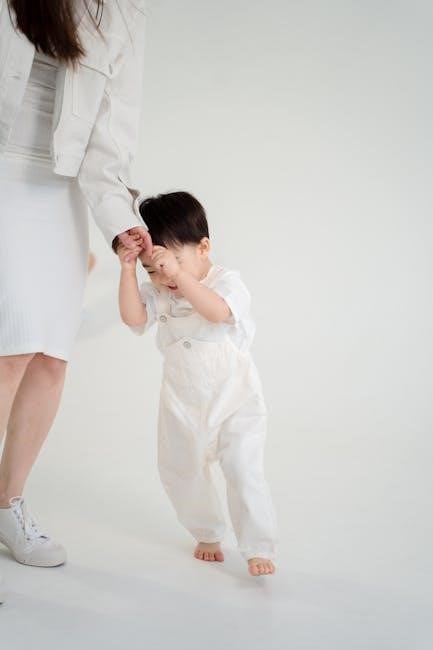
Establishing predictable naptime routines minimizes resistance and promotes self-regulation. Centers prioritizing structured environments, like Magic Memories, understand this. PDF resources emphasize the link between adequate rest and cognitive development, emotional stability, and physical health. A well-defined routine helps children wind down, reducing anxiety and improving sleep quality. Consistent rest supports their ability to focus, learn, and engage positively throughout the day, ultimately contributing to their academic readiness.
Bedtime Routines: Preparing for Sleep
PDF guides on early childhood development consistently emphasize the significance of predictable bedtime routines. These routines signal to a child that it’s time to wind down and prepare for sleep, fostering a sense of security and calm. Consistent steps – a warm bath, reading a story, quiet conversation – create a comforting ritual that minimizes bedtime struggles.
Hamilton Heights Child Development Center likely incorporates similar principles, prioritizing structured learning environments that extend to bedtime preparation. PDF resources detail how consistent routines regulate a child’s internal clock, improving sleep quality and duration. This, in turn, supports cognitive function, emotional regulation, and physical health. A well-established bedtime routine reduces anxiety and promotes independent sleep skills, setting the stage for a restful night and a positive start to the next day.
Routines in Early Learning Settings
PDF resources highlight how centers like Magic Memories utilize structured routines for consistent daily structure, creating predictable and supportive learning environments for young children.
Classroom Routines: Structured Learning Environments
PDF guides emphasize that well-defined classroom routines are paramount in early learning settings. Centers, such as Magic Memories, actively organize their daily schedules to maintain a consistent structure. This predictability isn’t merely about order; it’s about fostering a sense of safety and security for young learners.
Structured routines minimize anxiety and allow children to focus on learning, rather than wondering what comes next. These routines encompass everything from circle time and learning centers to transitions between activities. Educators leverage these established patterns to maximize engagement and minimize disruptive behaviors.
PDF resources also detail how routines support teachers in effectively managing the classroom, allowing them to dedicate more time to individualized instruction and nurturing each child’s development. A predictable environment, built on consistent routines, is a cornerstone of quality early childhood education.
Transition Routines: Smoothly Moving Between Activities
PDF resources dedicated to early childhood development highlight the critical role of transition routines. Often overlooked, these brief periods between activities can be sources of stress for young children if not managed effectively. Magic Memories exemplifies this by organizing the flow of their daily schedule.
Effective transition routines, detailed in many downloadable guides, involve clear signals – a song, a chime, or a verbal cue – to prepare children for the change. This minimizes disruption and prevents behavioral challenges. Smooth transitions aren’t about speed; they’re about providing a predictable and supportive experience.
PDFs suggest incorporating playful elements into transitions, like “clean-up songs” or “walking like animals,” to maintain engagement. Well-executed transitions maximize learning time and contribute to a calmer, more focused classroom environment, benefiting both children and educators.
The Role of Educators in Establishing Routines
PDF guides on early childhood routines consistently emphasize the educator’s central role. They aren’t simply implementers of pre-defined schedules, but active creators and facilitators of a predictable environment. Hamilton Heights Child Development Center demonstrates this commitment through consistent practices.
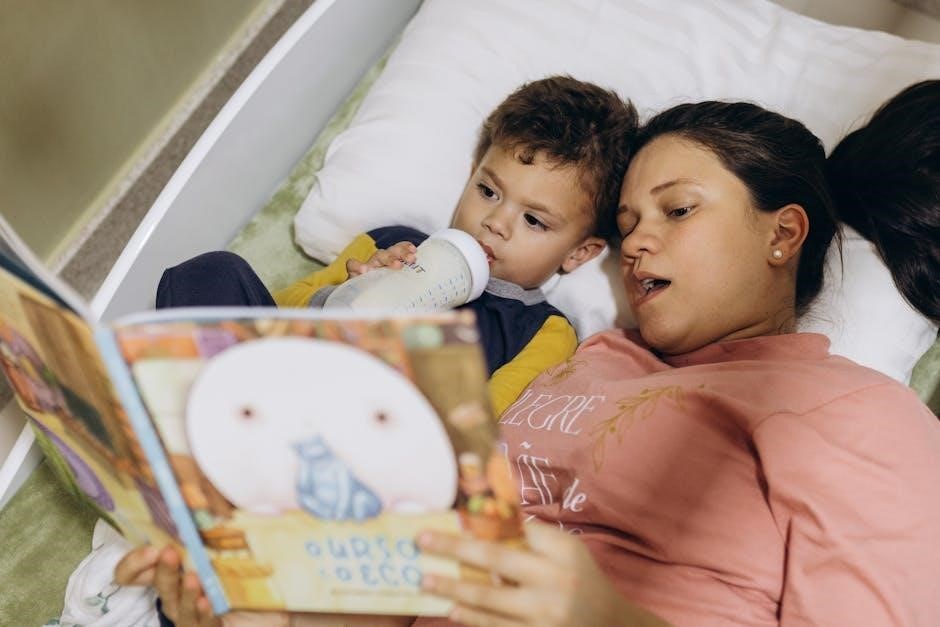
Educators must understand the developmental rationale behind each routine, allowing them to explain it to children in age-appropriate terms. This requires ongoing professional development, often detailed in downloadable resources. They model expected behaviors, provide positive reinforcement, and offer support during challenging transitions.
Furthermore, educators observe children’s responses to routines, adapting them as needed to ensure inclusivity and effectiveness. A successful routine isn’t rigid; it’s responsive, reflecting the unique needs of the children in their care, as highlighted in numerous PDF best-practice guides.

Addressing Challenges and Troubleshooting
PDF resources suggest anticipating resistance and environmental changes. Educators should maintain consistency while offering flexibility, and involve families for optimal routine success.
Resistance to Routines: Understanding and Addressing Opposition
Resistance to routines is a common challenge in early childhood, often stemming from a child’s desire for autonomy or difficulty with transitions. PDF guides emphasize understanding the why behind the opposition. Is the routine developmentally inappropriate? Is the child feeling overwhelmed or anxious?
Strategies include offering choices within the routine – “Do you want to brush your teeth before or after putting on pajamas?” – and providing clear, simple explanations. Visual schedules, detailed in many PDF resources, can help children anticipate what’s next, reducing anxiety. Positive reinforcement and acknowledging feelings are crucial. Avoid power struggles; instead, focus on collaboration and creating a sense of predictability and safety. Consistency, even when met with resistance, remains key, but flexibility is also important when appropriate.
Maintaining Routines During Travel or Changes in Environment
Travel and environmental shifts inevitably disrupt established routines, but maintaining some consistency is vital for a child’s emotional wellbeing. PDF resources suggest pre-planning and packing familiar items – a favorite book, a comfort object – to create a sense of normalcy.
Adapt routines rather than abandoning them entirely. A bedtime story can happen in a hotel room, and mealtimes can retain a similar structure even with different food options. Visual schedules, easily portable as PDFs, can be adapted to the new environment. Acknowledge the change and validate the child’s feelings. Flexibility is paramount; expect some regression and offer extra patience and reassurance. Prioritize core routines like sleep and mealtimes to minimize stress during transitions.
Involving Families in Routine Implementation
Successful routine implementation hinges on strong family involvement. PDF guides emphasize open communication between educators and parents, sharing daily schedules and explaining the rationale behind routines. Consistent messaging between home and learning environments reinforces expectations and minimizes confusion for the child.
Families can extend classroom routines at home, creating a unified approach to daily life. Educators should provide resources – printable schedules, tips for managing transitions – accessible as PDFs. Workshops or informational sessions can empower parents to support routine adherence. Recognizing that family structures and needs vary is crucial; routines should be adaptable and collaborative, fostering a partnership focused on the child’s development and wellbeing.

The Link Between Routines and Academic Success
As children prepare for school, consistent routines—supported by resources like PDF guides—cultivate essential habits for future learning and academic achievement.
Preparing Children for School
Establishing predictable routines in early childhood serves as a crucial bridge to the structure of a formal school setting. Children accustomed to daily schedules—covering mornings, mealtimes, and playtime—transition more smoothly into classroom expectations. Resources, often available as downloadable PDF guides, emphasize this preparatory role.
These routines foster self-regulation, a key skill for academic success. Knowing what to expect reduces anxiety and allows children to focus on learning. The consistent framework built through routines mirrors the demands of a school day, easing the adjustment period. Furthermore, routines instill a sense of responsibility and independence, empowering children to navigate the school environment with confidence. As families plan for the next educational phase, understanding the power of routines is paramount.
Supporting Future Learning Habits
Early childhood routines aren’t merely about managing the present; they actively cultivate habits essential for lifelong learning. Consistent schedules instill discipline and time management skills, foundational for academic achievement. PDF resources dedicated to early childhood development often highlight this long-term benefit, emphasizing the link between structured beginnings and sustained success.
Predictable routines encourage a proactive approach to tasks, fostering a sense of ownership over learning. Children learn to anticipate steps, follow through with responsibilities, and develop a work ethic. This translates directly into improved study habits, organization, and a greater capacity for independent learning as they progress through their education. Ultimately, a routine-rich childhood lays the groundwork for a future of engaged and successful learners.

Resources and Further Information (PDF Focus)
Numerous PDF guides detail establishing effective routines. These resources offer practical strategies and insights into supporting children’s development through consistent, predictable structures.
Finding Reliable PDF Resources on Early Childhood Routines
Locating trustworthy PDF resources requires careful consideration. Begin with websites of established early childhood organizations and governmental agencies focused on education and child development. Search terms like “early childhood routines PDF,” “preschool daily schedule PDF,” or “infant routine guide PDF” will yield relevant results.
Prioritize PDFs from sources like the National Association for the Education of Young Children (NAEYC) or Zero to Three. University extension programs often provide research-based PDFs on effective routines. Always evaluate the author’s credentials and the publication date to ensure the information is current and evidence-based. Beware of resources lacking clear authorship or originating from unverified websites. Look for PDFs offering practical examples and adaptable templates for various age groups and settings.
Utilizing PDF Guides for Routine Implementation
Downloaded PDF guides should serve as adaptable blueprints, not rigid rules. Begin by thoroughly reviewing the entire document to grasp the overarching philosophy and suggested routines. Identify sections relevant to your specific age group and setting – a toddler routine differs significantly from a preschool one.
Customize the provided schedules and activity suggestions to align with the children’s individual needs and interests. Use the PDF as a springboard for brainstorming variations and incorporating cultural sensitivity. Regularly revisit the guide as children develop, adjusting routines accordingly. Share key elements with colleagues and families to foster consistency. Remember, successful implementation requires ongoing observation, reflection, and collaborative adaptation based on real-world application.
Establishing consistent routines isn’t merely about scheduling; it’s a profound investment in a child’s holistic development. As highlighted by centers prioritizing structured learning, routines foster emotional security, cognitive growth, and essential social skills. Accessing resources, including helpful PDF guides, empowers educators and families to create supportive environments.
Preparing children for future academic success, as seen with Grade Six Assessment planning, begins with these foundational habits. Prioritizing well-being – even addressing physical needs like hydration – complements routine implementation. A routine-rich childhood equips children with the self-regulation and independence needed to thrive, laying the groundwork for a lifetime of learning and resilience.